
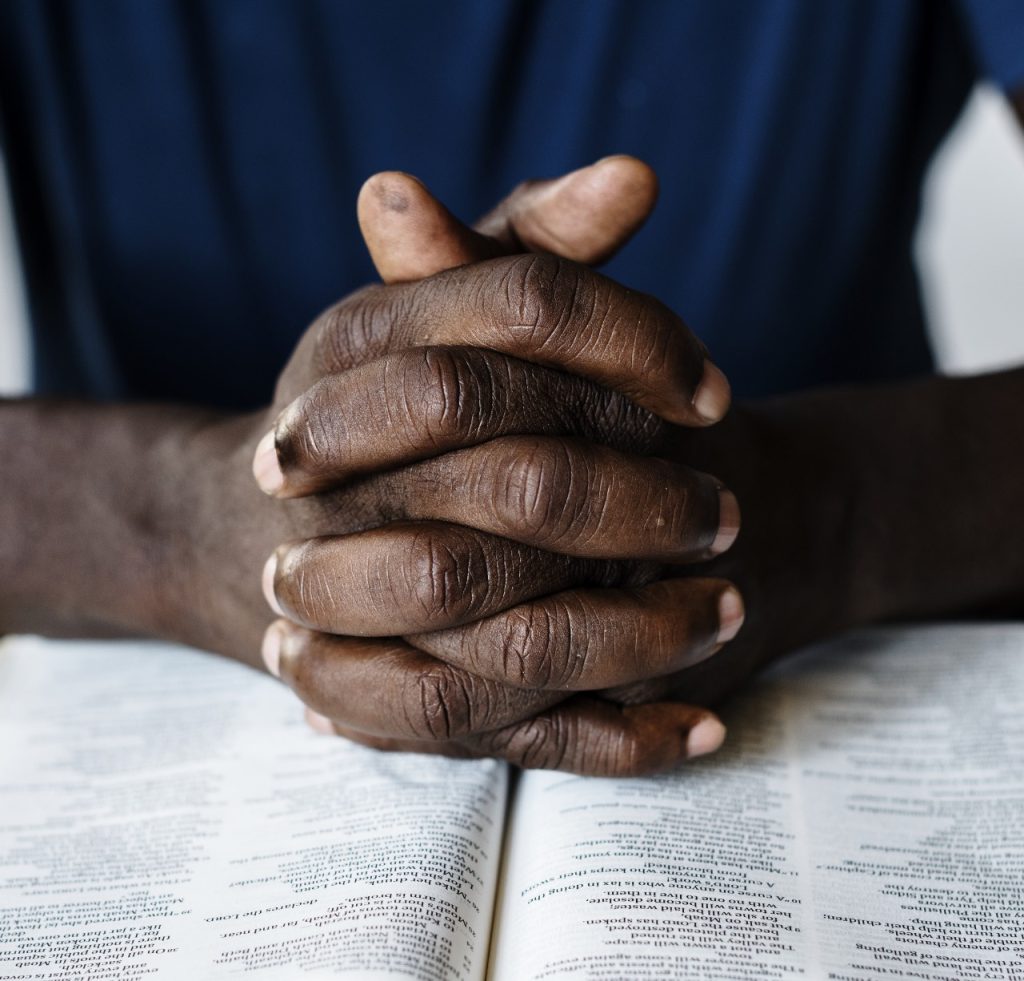
In a world filled with noise and distraction, the Lord’s Prayer stands as a timeless beacon of hope and guidance, inviting believers to delve deeper into their faith and spirituality. This profound prayer, rooted in the teachings of Jesus, encapsulates the essence of love, forgiveness, and connection with the divine. It offers a roadmap for navigating life’s complexities, encouraging reflection on our relationships with God, ourselves, and others. In this blog post, we embark on a transformative journey, exploring the layers of meaning behind each line of the prayer. Together, we will unlock its wisdom, drawing inspiration for our daily lives and nurturing our spiritual growth. Join us as we discover the rich tapestry of faith woven into the fabric of the Lord’s Prayer, and learn how to incorporate its teachings into our lives for a more profound and purposeful existence.
Introduction to t1he Lord’s Prayer: Historical Context
The Lord’s Prayer, often regarded as one of the most profound and influential prayers in Christianity, has a rich historical context that dates back to the teachings of Jesus Christ. Found in the New Testament, this prayer is recorded in both the Gospel of Matthew (6:9-13) and the Gospel of Luke (11:2-4), serving as a cornerstone of Christian liturgy and personal devotion.
To understand its significance, we must first delve into the socio-cultural landscape of first-century Judea. During this time, the Jewish people were navigating a complex relationship with Roman rule, grappling with issues of identity, faith, and community. Jesus, emerging as a spiritual leader and teacher, sought to provide his followers with a framework for prayer that was both intimate and inclusive. The Lord’s Prayer encapsulates the essence of his teachings, emphasizing themes of divine connection, forgiveness, and reliance on God’s providence.
Historically, the prayer’s origins can be traced to the Jewish tradition of prayer and worship, where communal and personal supplications held great importance. Jesus, steeped in this tradition, redefined prayer not merely as a ritualistic obligation but as a heartfelt dialogue with God. In the Lord’s Prayer, he presents a simple yet profound template, inviting believers to approach the Almighty as a loving Father, thereby fostering a sense of belonging and security in faith.
Moreover, the Lord’s Prayer transcended its initial context, becoming an integral part of Christian worship across denominations and cultures. Its rhythmic cadence and timeless message have made it a staple in both liturgical settings and everyday life, allowing individuals to connect with the divine in moments of joy, sorrow, and reflection. As we embark on this journey of exploration, we will uncover the layers of meaning woven into each line of the prayer, providing insights into how it can enrich our spiritual lives and strengthen our faith.
The Significance of Prayer in Christian Faith
In the tapestry of Christian faith, prayer is not merely a ritual but a profound expression of one’s relationship with God. It serves as a direct line of communication between the believer and the Divine, allowing for both personal reflection and communal connection. The significance of prayer transcends the act itself; it embodies trust, surrender, and an earnest desire for spiritual growth.
Prayer is foundational to the Christian experience, providing a means for believers to seek guidance, express gratitude, and find solace in moments of distress. It is through prayer that individuals articulate their hopes, fears, and dreams, fostering a sense of intimacy with God. This sacred dialogue invites believers to lay bare their souls, acknowledging their vulnerabilities while also embracing the boundless love and grace offered by the Creator.
The Lord’s Prayer encapsulates this essence beautifully. It is not just a set of words recited in unison; rather, it is a model for all prayers, emphasizing the importance of community, forgiveness, and divine will. By reflecting on its phrases, Christians can deepen their understanding of what it means to pray—recognizing that prayer is not solely about requests but about cultivating a heart aligned with God’s purpose.
Moreover, prayer acts as a transformative practice, shaping believers’ perspectives and encouraging them to embody Christ-like virtues. As they engage in prayer, they are reminded of the power of humility, the necessity of compassion, and the call to love one another. In a world often filled with chaos and uncertainty, the act of turning to prayer can provide clarity and peace, reinforcing the belief that they are never alone on their journey of faith.
Ultimately, the significance of prayer in Christian faith lies in its ability to nurture a profound relationship with God—a journey of reflection that not only uplifts the spirit but also empowers believers to live out their faith with purpose and conviction. As one delves into the depths of prayer, they unlock a wellspring of wisdom, inspiration, and divine connection that enriches their life and the lives of those around them.
A Line-by-Line Breakdown of the Lord’s Prayer
The Lord’s Prayer, also known as the Our Father, is a profound and timeless expression of faith that encapsulates the essence of Christian belief. Each line offers a rich tapestry of meaning, inviting us to delve deeper into our spirituality and relationship with God. Let’s explore this sacred prayer line by line, uncovering the wisdom it imparts and the reflections it encourages.
“Our Father, who art in heaven,”
This opening line establishes a sense of intimacy and reverence. Addressing God as “Our Father” signifies a personal relationship, reminding us that we are part of a larger family of believers. The phrase “who art in heaven” elevates our perspective, encouraging us to acknowledge God’s divine nature and sovereignty beyond our earthly concerns.
“Hallowed be thy name.”
Here, we acknowledge the holiness of God. To hallow something means to honor it as sacred. This line calls us to reflect on the reverence we should have for God’s name and attributes, instilling a sense of awe and respect that shapes our worship and daily lives.
“Thy kingdom come.”
This plea expresses our desire for God’s reign to be realized on earth. It’s a reminder of the hope we have for a world imbued with divine justice, peace, and love. In our prayers, we are invited to actively participate in bringing about this kingdom, advocating for the values that reflect God’s heart.
“Thy will be done on earth as it is in heaven.”
In this line, we surrender our own desires in favor of God’s perfect plan. It’s an invitation to trust in divine wisdom, recognizing that God’s will leads to the ultimate good. This part of the prayer challenges us to seek alignment with God’s purpose in our lives and communities.
“Give us this day our daily bread.”
This request acknowledges our dependence on God for sustenance, both physical and spiritual. It reminds us to be grateful for the provisions we receive daily and encourages us to support one another in times of need, fostering a sense of community and generosity.
“And forgive us our trespasses, as we forgive those who trespass against us.”
Here, we confront our human shortcomings and the necessity of forgiveness. This line emphasizes the importance of mercy, urging us to extend grace to others as we seek forgiveness for ourselves. It highlights the interconnectedness of our relationships and the healing power of reconciliation.
“And lead us not into temptation, but deliver us from evil.”
In this plea, we seek God’s guidance to navigate the challenges of life. This line serves as a reminder of our vulnerability to temptation and the importance of relying on divine strength to overcome adversity. It reassures us that we are never alone in our struggles, as we can turn to God for protection and deliverance.
“For thine is the kingdom, and the power, and the glory, forever and ever. Amen.”
The prayer concludes with a declaration of God’s eternal sovereignty. This affirmation reinforces our faith in God’s ultimate authority and goodness. By proclaiming that the kingdom, power, and glory belong to God, we are reminded of the hope and assurance that accompanies our faith journey.
As we reflect on each line of the Lord’s Prayer, we are invited into a deeper understanding of our faith and a more profound connection with God. This journey of reflection not only strengthens our spiritual lives but also encourages
Exploring the Concept of Fatherhood in “Our Father”
The phrase “Our Father” at the beginning of the Lord’s Prayer is rich with meaning and significance, reverberating through the hearts of believers and seekers alike. This simple yet profound address invites us into an intimate relationship with the Divine, framing our connection to God in the context of familial love and care.
In many cultures, the concept of fatherhood embodies notions of protection, guidance, and unconditional love. When we utter “Our Father,” we are reminded that we are not alone in our journey; we belong to a greater family that transcends earthly ties. This invocation encourages us to see God as a loving parent who watches over us, nurturing our spirits and providing for our needs. It emphasizes the warmth and security that comes from this relationship, fostering a sense of belonging among the global community of believers.
Moreover, by using the term “Our,” the prayer reinforces the idea of unity. It signifies that God is not merely an individual deity to whom we pray in solitude but a shared Father for all humanity. This inclusive language calls us to recognize our interconnectedness with others, prompting us to extend the same love and compassion we receive from God to those around us.
As we reflect on this powerful concept of fatherhood, it invites us to examine our own relationships with our earthly fathers and father figures. The prayer can serve as a catalyst for healing past wounds, fostering forgiveness, or deepening our appreciation for the positive influences in our lives.
Ultimately, exploring the concept of fatherhood in “Our Father” allows us to tap into the essence of love, community, and support that is foundational to our spiritual journey. It encourages us to approach God with confidence and trust, knowing that we belong to a loving family whose bonds are strengthened through prayer, reflection, and shared experience. In this light, the Lord’s Prayer becomes more than just words recited; it transforms into a powerful affirmation of faith, love, and communal belonging.
Understanding “Thy Kingdom Come”: The Hope for a Better World
In the phrase “Thy Kingdom come,” we are invited into a profound moment of hope and anticipation, a longing for a world transformed by divine love and justice. This simple yet powerful petition echoes the deep desire for God’s reign to manifest here on Earth, illuminating our lives with grace and compassion. It serves as a reminder that we are part of a larger narrative, one that transcends our individual struggles and aspirations.
When we utter these words, we are not just expressing a wish; we are engaging in a collective vision for a better world. It calls us to reflect on the state of our communities and the planet, urging us to become active participants in bringing forth positive change. This line encourages us to envision a reality where peace prevails over conflict, where kindness is the norm, and where love conquers hate. It’s an invitation to envision a society that prioritizes the well-being of all, especially the marginalized and forgotten.
Moreover, “Thy Kingdom come” challenges us to consider our own roles in this transformation. What steps can we take in our daily lives to foster a sense of belonging and community? How can we embody the values of compassion, justice, and humility? By embracing this call to action, we not only nurture our personal faith but also contribute to the collective hope for a brighter future.
As we reflect on this phrase, we find ourselves at the intersection of faith and action, understanding that the arrival of God’s Kingdom is not solely a future promise but a present responsibility. It reminds us that through our choices, actions, and interactions, we can be agents of change, helping to manifest the hope that we so deeply yearn for. In this way, “Thy Kingdom come” becomes more than a prayer; it transforms into a defining mission that can inspire us to work towards a world reflecting divine love and justice.
The Importance of Daily Bread: Spiritual and Physical Nourishment
In the heart of the Lord’s Prayer lies the profound plea for “daily bread,” a phrase that resonates far beyond mere sustenance. It encapsulates the duality of our existence, acknowledging both our physical needs and our spiritual longings. This seemingly simple request serves as a reminder of the necessity of nourishment in all its forms—physical, emotional, and spiritual.
At its core, the concept of daily bread is a call for sustenance that is reliable and consistent. In a world that often feels chaotic and unpredictable, the idea of having our daily needs met fosters a sense of security and trust in divine provision. It encourages us to cultivate gratitude for the abundance we receive each day, prompting us to reflect on the ways in which we are cared for, even in the smallest moments.
However, this phrase also invites us to consider the deeper spiritual nourishment we require to thrive. Just as our bodies need food to function, our souls crave connection, love, and understanding. Daily bread, in this sense, can be interpreted as the spiritual wisdom and guidance we seek through prayer, meditation, and community. It’s a reminder to nourish our inner selves through practices that enrich our faith and fortify our spirit, helping us navigate life’s challenges with grace and resilience.
Moreover, the request for daily bread signifies a communal aspect of our existence. It encourages us to think beyond our own needs and to consider the well-being of others. By recognizing that many are deprived of essential nourishment—be it physical food, emotional support, or spiritual guidance—we are called to act with compassion and generosity. This understanding fosters a sense of responsibility to share our blessings and advocate for those who are less fortunate, ultimately deepening our faith and connection to one another.
In essence, the importance of daily bread lies not only in the sustenance it provides but also in the broader lessons it imparts about faith, gratitude, and community. By embracing this duality, we embark on a journey of reflection that enriches our lives and strengthens our spiritual foundation, leading us closer to the divine and to each other.
Forgiveness: The Heart of the Prayer and Its Challenges
Forgiveness lies at the very heart of the Lord’s Prayer, serving as both a profound call to action and a reflection of divine grace. When we utter the phrase, “forgive us our trespasses, as we forgive those who trespass against us,” we are reminded of the dual nature of forgiveness: the need to receive it and the imperative to extend it. This delicate balance can be one of the most challenging aspects of our spiritual journey.
In our daily lives, we encounter moments where we feel wronged or hurt, whether by friends, family, or even strangers. The wounds inflicted by others can fester, leading us to harbor resentment that can choke our peace and cloud our hearts. Yet, the call to forgive is not simply a moral directive; it is an invitation to liberation. Forgiving others releases us from the shackles of bitterness and allows us to move forward, unburdened by the past.
However, embracing forgiveness is often a complex process. It requires vulnerability and a willingness to confront our pain. It may involve wrestling with feelings of injustice and the fear that forgiving someone means condoning their actions. Yet, true forgiveness does not equate to forgetting; instead, it acknowledges the hurt while choosing to let go of the animosity. This journey can be fraught with challenges, demanding patience and introspection.
As we reflect on this powerful aspect of the Lord’s Prayer, we are encouraged to seek divine guidance in our struggles with forgiveness. It invites us to look within, to identify the barriers we erect around our hearts, and to remember the grace we have received. In doing so, we cultivate a spirit of compassion that extends beyond our immediate circle, recognizing our shared humanity and the struggles we all face.
In essence, forgiveness transforms not only our relationships with others but also our relationship with ourselves and with God. It connects us to the core message of the Lord’s Prayer, reminding us that we are all in need of grace, and that true strength lies in our ability to forgive. As we navigate the challenges of forgiveness, we embark on a journey of faith that deepens our understanding of love, humility, and reconciliation.
Deliverance from Evil: Seeking Protection and Strength
In the timeless words of the Lord’s Prayer, the plea for “deliverance from evil” resonates deeply with our innate desire for protection and strength in the face of life’s uncertainties. This powerful invocation acknowledges the presence of darkness in our world, reminding us that evil can manifest in various forms—be it temptation, fear, or adversity.
When we seek deliverance, we are not only calling for God’s safeguarding from external threats but also for inner strength to resist the allure of negativity and despair. This part of the prayer serves as a reminder that faith is not merely about sheltering ourselves from harm but also about cultivating resilience and courage to confront the challenges that life presents.
As we reflect on this line, we are encouraged to consider the sources of evil in our own lives—negative influences, harmful habits, or toxic relationships—and to seek divine guidance in overcoming them. It is an invitation to engage in introspection and to fortify our spirits through prayer, community, and personal growth. By acknowledging our vulnerabilities and relying on a higher power, we can find the strength to face our struggles head-on.
Moreover, this plea for deliverance fosters an understanding of the collective human experience. We are reminded that we are not alone in our trials; many share the burden of seeking protection from life’s evils. In this shared pursuit, we can find comfort within our faith communities, coming together in prayer and support, reinforcing our collective resolve against the shadows that threaten to engulf us.
Ultimately, “deliverance from evil” is a profound expression of hope. It signifies our trust in divine providence and the belief that, with faith, we can navigate through darkness into light. By embracing this aspect of the Lord’s Prayer, we embark on a journey of empowerment and reflection, recognizing that true strength comes not only from within but from our unwavering connection to the divine.
The Role of Faith in Daily Life: Applying the Prayer’s Teachings
In our fast-paced world, where distractions abound and the hustle and bustle can easily cloud our spiritual clarity, the teachings of the Lord’s Prayer serve as a profound reminder of the role that faith plays in our daily lives. This sacred prayer encapsulates core principles that can guide us in navigating both the mundane and the extraordinary moments of our existence.
At its heart, the Lord’s Prayer emphasizes a deep connection with the divine, urging us to approach each day with a spirit of reverence and gratitude. When we recite “Our Father, who art in heaven,” we acknowledge a higher power that watches over us, inviting us to cultivate a sense of trust and reliance on God’s wisdom. This invocation establishes a framework for our day, encouraging us to seek divine guidance in our thoughts and actions.
As we delve deeper into the prayer, phrases such as “Thy will be done” resonate profoundly with the notion of surrender. Embracing this concept allows us to let go of the illusion of control and to align ourselves with a purpose greater than our own. This act of surrender can transform our daily struggles into opportunities for growth, as we learn to trust that our paths are being guided by a loving hand.
Moreover, the prayer’s call for forgiveness—“Forgive us our trespasses as we forgive those who trespass against us”—challenges us to reflect on our relationships with others. It reminds us that faith is not only about our connection with God but also about how we treat those around us. Practicing forgiveness cultivates empathy and compassion, fostering a sense of community and understanding in our interactions.
Incorporating the teachings of the Lord’s Prayer into our daily routines can also enhance our capacity for gratitude. By regularly acknowledging our blessings—“Give us this day our daily bread”—we foster a mindset that appreciates the ordinary miracles that surround us. This simple act can shift our focus from scarcity to abundance, enriching our lives with joy and contentment.
Ultimately, the role of faith in our daily lives is about more than just reciting words; it’s about embodying the principles they convey. By applying the teachings of the Lord’s Prayer, we embark on a journey of reflection and intentionality, opening our hearts to the transformative power of faith. As we navigate the complexities of life, let this prayer be a steadfast companion, guiding us toward a deeper understanding of ourselves, our relationships, and our connection to the divine.
Personal Reflections: How the Lord’s Prayer Has Shaped My Faith
The Lord’s Prayer, a simple yet profound articulation of faith, has been a cornerstone of my spiritual journey, nurturing my relationship with God and shaping my understanding of prayer itself. As I recite its familiar lines, I often find myself reflecting on the deeper meanings embedded within each phrase.
Initially, I approached the prayer as a child, hearing it echoed in church services and family gatherings. Back then, it felt like a ritual, a collection of words to be memorized and recited—a rite of passage in my early faith development. However, as I grew older and faced the complexities of life, the prayer began to reveal itself in a whole new light.
In the line “Our Father, who art in heaven,” I discovered a sense of belonging and connection. It reminded me that I am part of a larger family, embraced by a loving Creator who knows my struggles and joys intimately. This realization shifted my perception of God from an abstract figure to a personal, approachable presence, guiding me through life’s challenges.
The phrase “Thy will be done” has been particularly transformative. In moments of uncertainty and despair, I have wrestled with surrendering my own desires and plans to a greater purpose. This line serves as a gentle reminder that there is comfort in trust, and that sometimes, the path I envision may differ from the one laid out for me. It encourages me to seek understanding rather than control, fostering a spirit of acceptance that has brought peace to my heart.
Moreover, the petition for daily bread has deepened my gratitude for life’s simple blessings. It shifts my focus from yearning for more to appreciating what I have. Through this lens, I’ve cultivated a practice of mindfulness, learning to see the divine in everyday moments—from the warmth of a shared meal to the beauty of a sunset. Each day becomes a chance to acknowledge and celebrate the gifts bestowed upon me.
As I reflect on the prayer’s concluding lines, “For thine is the kingdom, and the power, and the glory, forever,” I am reminded of the eternal nature of faith and the hope that it brings. This affirmation strengthens my resolve to live in a way that honors not just my desires but also the greater good of the community around me. It inspires me to act with kindness and compassion, knowing that I am part of something far greater than myself.
In sharing my personal journey with the Lord’s Prayer, I hope to illuminate its capacity to inspire and transform. Each time I engage with its words, I find new layers of understanding and comfort, reinforcing my faith and guiding me on this ever-evolving path of spiritual growth. The Lord’s Prayer is not merely a set of words; it is a living testament to the power of faith, reflection, and connection with the divine.
The Lord’s Prayer in Different Christian Traditions
The Lord’s Prayer, often referred to as the “Our Father,” transcends denominational boundaries, serving as a unifying thread among various Christian traditions. While the core message remains constant—a heartfelt plea for divine guidance, sustenance, and forgiveness—the nuances of its recitation reflect the rich tapestry of Christian beliefs and practices worldwide.
In Roman Catholicism, the prayer is typically recited in a solemn tone during Mass, embodying a deep sense of reverence. The congregation joins in unison, creating a powerful communal experience that emphasizes unity in faith. The phrase “forgive us our trespasses, as we forgive those who trespass against us” underscores the Catholic emphasis on the sacrament of reconciliation, encouraging believers to seek and offer forgiveness as a fundamental aspect of their spiritual journey.
Protestant denominations, on the other hand, may approach the Lord’s Prayer with a more personal interpretation. Many evangelical communities encourage congregants to recite the prayer with an emphasis on the intimate relationship between the individual and God. The prayer becomes a source of inspiration and reflection, often integrated into personal devotions and community gatherings. Variations in wording, such as “forgive us our debts” instead of “trespasses,” reflect theological distinctions, yet the essence remains unchanged.
Eastern Orthodox Christians incorporate the Lord’s Prayer into their rich liturgical traditions, reciting it during the Divine Liturgy and emphasizing its role in the journey toward theosis, or union with God. The prayer is often accompanied by prostrations, signifying humility and submission to divine will, deepening the spiritual resonance of each word.
In Anglican and Episcopal traditions, the Lord’s Prayer holds a special place in the Book of Common Prayer, where it is recited multiple times during services. Its inclusion in various liturgies serves to remind the faithful of their communal and individual responsibilities, encapsulating the essence of Christian life in its call to love, serve, and forgive.
As you explore the various expressions of the Lord’s Prayer across Christian traditions, you’ll discover a profound commitment to shared beliefs, even amidst differing interpretations. Each recitation invites believers into a deeper understanding of their faith and an opportunity for personal reflection, illustrating the timeless relevance of this sacred prayer in the lives of Christians around the globe. Embracing these diverse practices can enrich your own spiritual journey, allowing you to unlock the wisdom contained within this cherished prayer in ways that resonate with your own faith experience.
Incorporating the Lord’s Prayer into Daily Spiritual Practice
Incorporating the Lord’s Prayer into your daily spiritual practice can be a transformative experience, inviting a deeper connection with your faith and fostering a sense of peace amidst life’s chaos. This timeless prayer, steeped in rich tradition, serves not only as a model for prayer but also as a profound source of reflection and guidance.
To begin, consider setting aside a specific time each day—perhaps in the morning as you awaken, or in the evening as you wind down—to recite the prayer. As you speak the words, take a moment to reflect on their meaning. Each line offers a wealth of wisdom and insight, encouraging you to contemplate your relationship with God, your desires, and your responsibilities to others.
You might find it helpful to break down the prayer into its individual components. For instance, meditate on the phrase “Our Father, who art in heaven.” This opening line invites you to acknowledge the divine nature of God as a loving parent, reinforcing the idea of community and shared humanity. Spend time reflecting on how this relationship shapes your daily interactions and decisions.
As you continue through the prayer, let each petition serve as a prompt for your personal reflections. “Thy kingdom come” can inspire thoughts about the values you wish to promote in your life, while “forgive us our trespasses, as we forgive those who trespass against us” challenges you to consider areas in your life where forgiveness is needed—both giving and receiving.
Incorporating the Lord’s Prayer into your daily rituals can also take on various forms. You may choose to journal your thoughts and feelings surrounding each line, creating a personal commentary that deepens your understanding and commitment to these sacred words. Alternatively, consider praying in nature, allowing the beauty of creation to enhance your connection to the divine.
Finally, as you make the Lord’s Prayer a cornerstone of your spiritual practice, remember to be open to its evolving significance in your life. Each recitation may bring new insights and revelations, guiding you through different seasons of faith. In this way, the Lord’s Prayer becomes not just a series of words, but a living expression of your journey—a sacred dialogue that nurtures your soul and strengthens your relationship with God.
The Power of Community: Praying Together
In a world often filled with isolation and disconnection, the power of community emerges as a beacon of hope and strength, especially when it comes to the act of prayer. The Lord’s Prayer, with its profound simplicity and depth, becomes even more powerful when shared in the company of fellow believers. When we gather to pray together, we create a sacred space where individual voices blend into a harmonious chorus, amplifying our collective intentions and desires.
Praying in community fosters a sense of belonging and support. It allows us to bear one another’s burdens, celebrate each other’s victories, and collectively seek guidance and comfort from the divine. Whether it’s in a small group setting, a church gathering, or even a virtual meet-up, each participant brings their unique experiences and perspectives, enriching the prayer experience and deepening our understanding of faith.
Moreover, communal prayer serves as a reminder of the shared journey we are all on. It encourages accountability and strengthens our resolve to embody the teachings of the Lord’s Prayer in our daily lives. As we pray for one another, we cultivate empathy and compassion, reinforcing the bonds that tie us together as a community of faith.
Incorporating the Lord’s Prayer into group settings can also lead to profound moments of reflection and insight. As we meditate on its meaning collectively, we can explore its implications on forgiveness, provision, and divine will, inviting discussions that challenge and inspire us. Through this communal act, we not only enrich our own spiritual journeys but also contribute to the spiritual growth of those around us.
Ultimately, praying together is more than just a ritual; it is an opportunity to witness the transformative power of faith in action. It reminds us that we are never alone in our struggles or triumphs. In unity, our prayers gain momentum, our spirits are uplifted, and our hearts are aligned with a greater purpose. As we engage in this sacred practice, we unlock a deeper understanding of the Lord’s Prayer and, in turn, nurture a vibrant, connected community of believers.
The Lord’s Prayer as a Guide for Modern Life
In today’s fast-paced world, where distractions abound and the noise of daily life often drowns out our inner voice, the Lord’s Prayer emerges as a timeless beacon of guidance and reflection. This sacred prayer, simple yet profound, offers a roadmap for navigating the complexities of modern existence. Each line serves not only as a petition but also as a reminder of the values we hold dear and the intentions we strive to embody.
When we say, “Our Father, who art in heaven,” we are invited to recognize our connection to a higher power, grounding ourselves in humility and gratitude. This acknowledgment of a divine presence encourages us to reflect on the relationships we cultivate in our lives, urging us to foster compassion and understanding in our interactions with others.
As we proclaim, “Thy kingdom come; Thy will be done,” we are reminded to seek purpose beyond our own desires. In a world often driven by individualism, this call to align our will with a greater good encourages a spirit of service and community. It challenges us to consider how our actions contribute to the well-being of those around us, prompting us to build bridges of connection rather than walls of division.
The plea, “Give us this day our daily bread,” speaks to our need for sustenance—both physical and spiritual. It reminds us to appreciate the present moment, finding abundance in the simple joys of life. In a culture that often glorifies the pursuit of more, this line invites us to cultivate gratitude and mindfulness, grounding ourselves in what truly matters.
“Forgive us our trespasses, as we forgive those who trespass against us” calls for introspection and healing. In an age where conflicts can escalate quickly and grudges are often held tightly, this line serves as a powerful reminder of the importance of forgiveness. It emphasizes the necessity of letting go, not only for our own peace of mind but also for the restoration of relationships and the harmony of our communities.
Finally, “Lead us not into temptation, but deliver us from evil” serves as a protective mantra, a plea for strength and guidance in moments of weakness. It encourages us to be vigilant about the choices we make, to seek wisdom in our decisions, and to remain steadfast in our commitment to righteousness amidst the challenges we face.
In essence, the Lord’s Prayer transcends its religious origins; it is a blueprint for living a life of intention, compassion, and resilience. By embracing its teachings, we unlock a deeper understanding of our faith and our purpose in this world, guiding our actions and thoughts as we journey through life. Whether recited in a moment of solitude or shared in community, the Lord’s Prayer invites us to reflect, reconnect, and recommit to a life rooted in love and grace.
Conclusion: Embracing the Wisdom of the Lord’s Prayer
In conclusion, embracing the wisdom of the Lord’s Prayer invites us into a profound journey of faith and reflection that transcends mere recitation. This timeless prayer serves as a blueprint for our spiritual lives, guiding us to cultivate a deeper relationship with God and with one another. Each phrase resonates with layers of meaning, urging us to seek divine guidance, foster forgiveness, and recognize our interconnectedness as a community of believers.
As we ponder the significance of “Our Father,” we are reminded of our shared humanity and the call to honor a loving creator who desires a personal connection with each of us. The invocation for daily bread speaks to our reliance on God’s provision, both for our physical needs and for our spiritual sustenance. Furthermore, the plea for forgiveness challenges us to reflect on our own actions and extend grace to those around us, fostering a spirit of compassion and understanding.
In a world often marked by chaos and division, the Lord’s Prayer encourages us to pursue peace and reconciliation. It is a powerful reminder that we are not solitary beings but part of a larger tapestry woven together by divine threads of love, mercy, and hope. By internalizing its messages and incorporating them into our daily lives, we not only enrich our personal faith but also contribute to a more harmonious world.
As we step away from this exploration, let us carry the wisdom of the Lord’s Prayer in our hearts, allowing it to shape our thoughts, actions, and interactions. May we strive to live out its teachings, embracing the grace, love, and unity it embodies, and ultimately drawing others into a shared journey of faith and reflection.
As we conclude our exploration of the Lord’s Prayer, we hope this journey has enriched your understanding and deepened your faith. Each line of this profound prayer invites us to reflect on the sacred relationship we share with the divine and with one another. By unlocking its wisdom, we can embrace the values of forgiveness, humility, and reliance on God that resonate throughout our lives. May the insights gleaned from our discussion inspire you to incorporate the essence of this prayer into your daily practice, fostering a greater sense of peace and purpose. As you continue on your spiritual journey, let the Lord’s Prayer serve as a guiding light, illuminating your path with love, faith, and reflection.